Sieve Bend Screen for Orange Peel Wastewater Separation in Egypt
Our client is a fruit processing plant in Egypt. They required a sieve bend screen for their wastewater stream, which contains solid orange peel and light liquid oil (uncoagulated in water). A requirement was that the oil-containing water must not be discharged together with the solid waste.
Technical Requirements
- Screen slot size: 0.7 mm
- Capacity: 25 m³/h
Recommended Solution
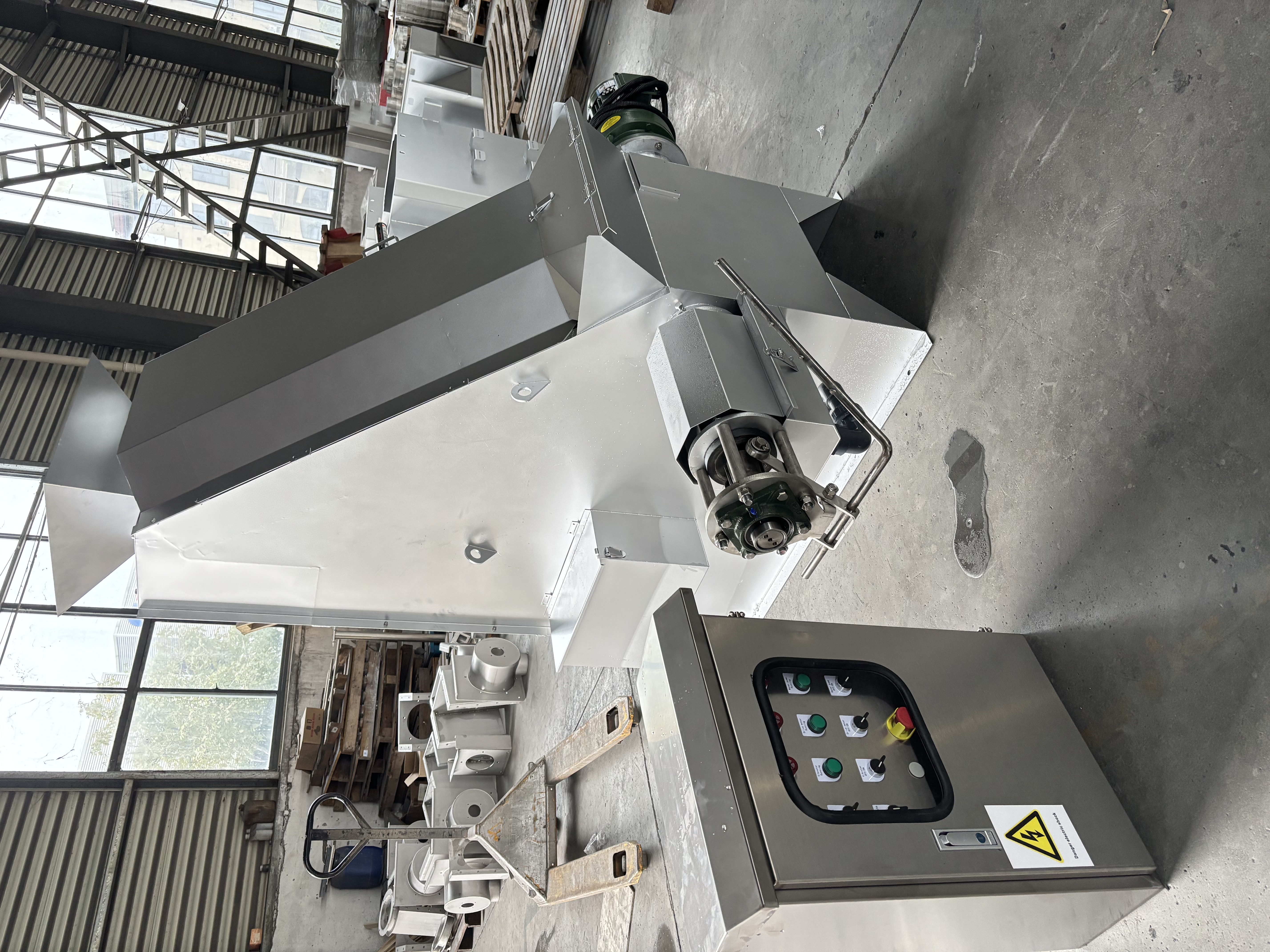
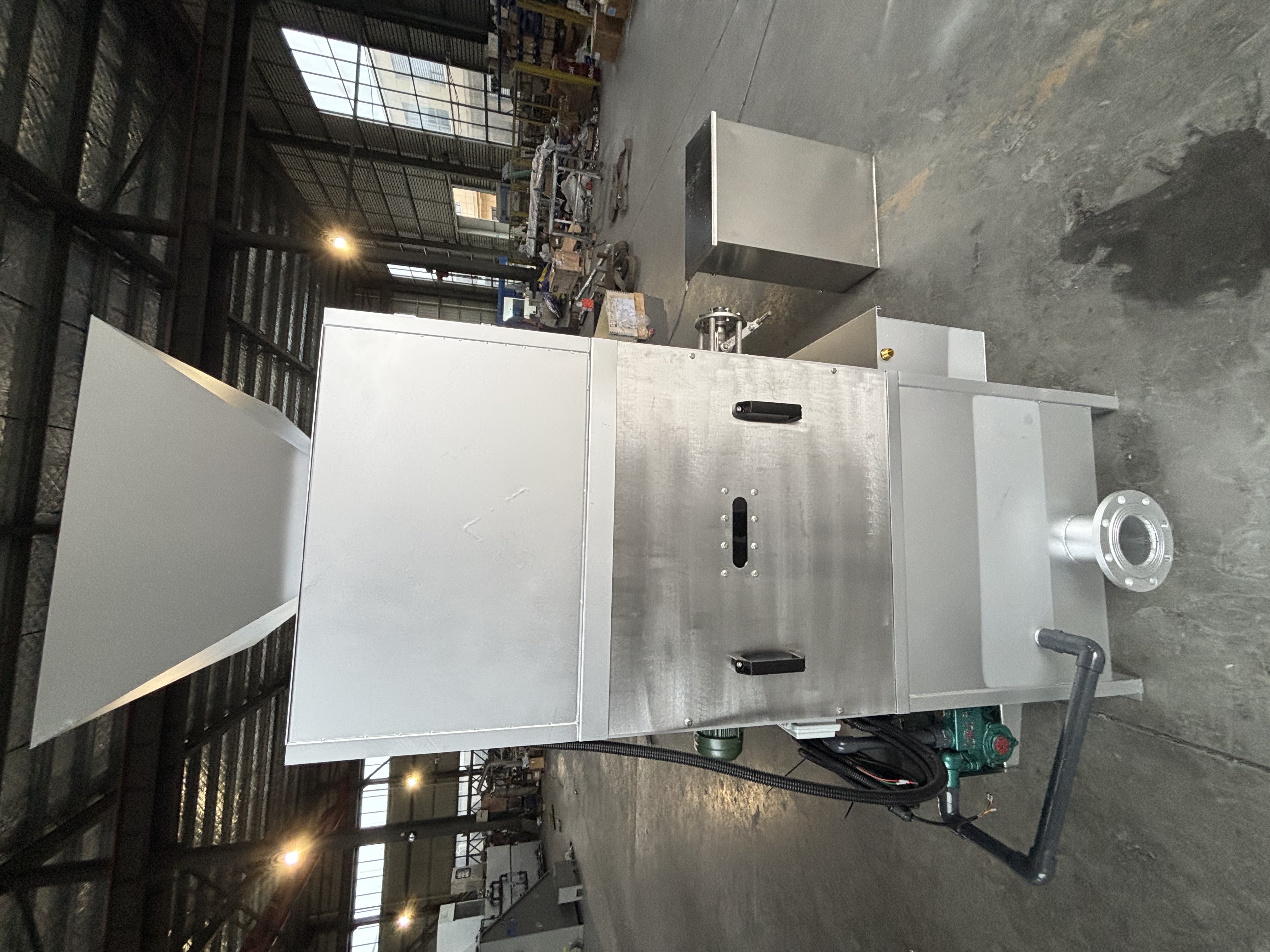
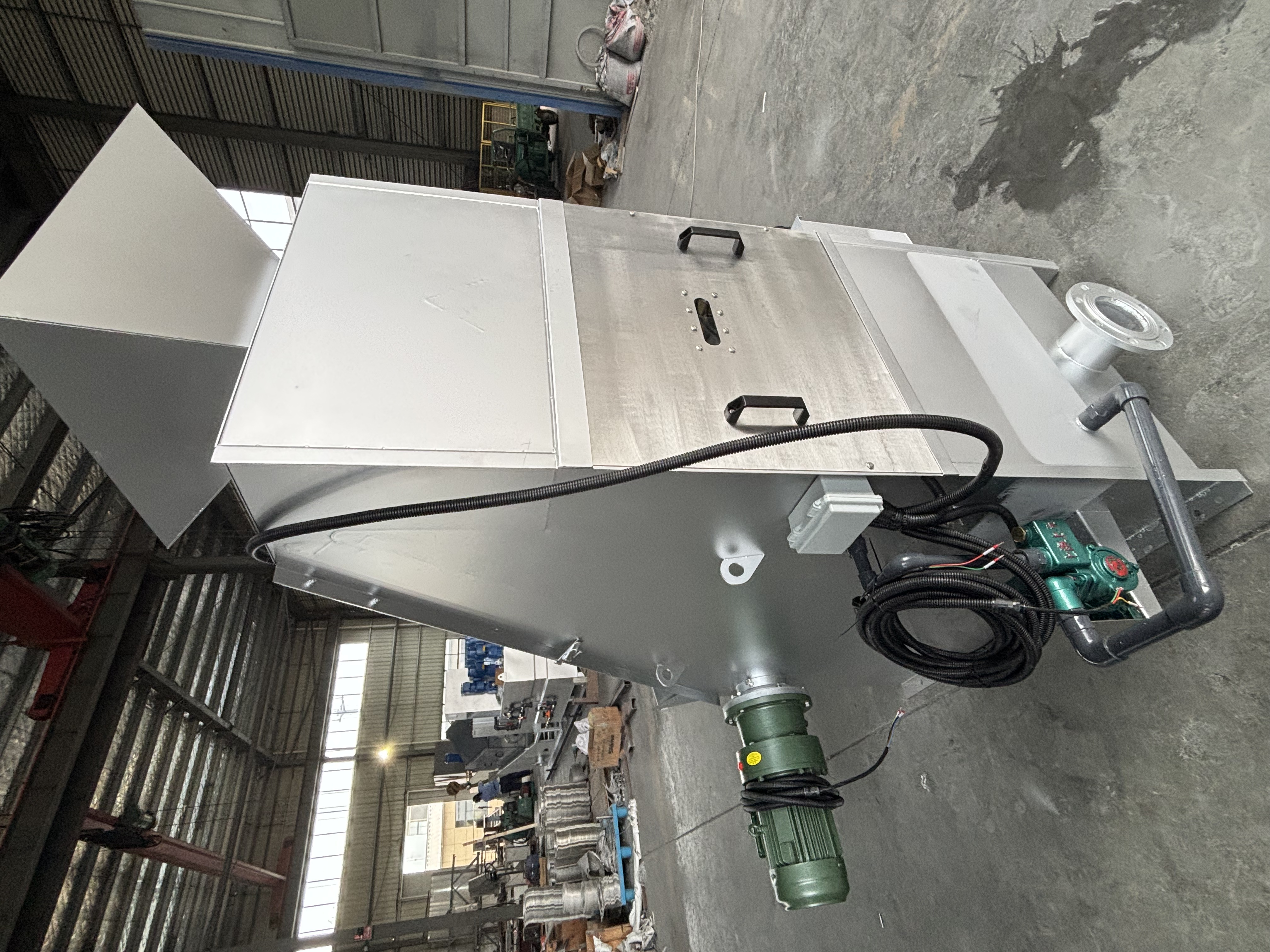
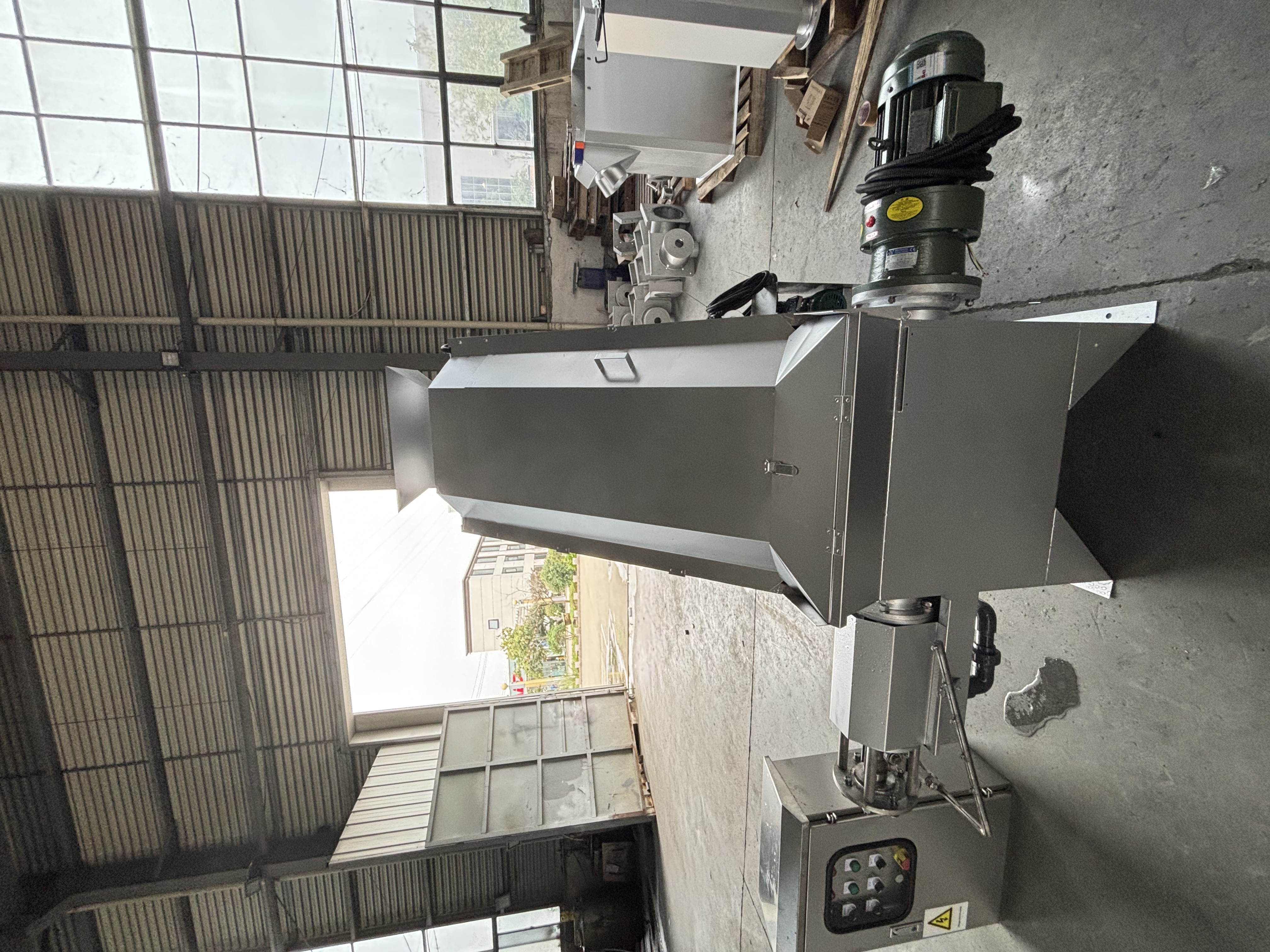
We recommended the JX-KDS-Y700 Press-Type Sieve Bend Screen, a model designed to combine gravity filtration with mechanical conveying and pressing.
Client Questions Addressed
- Is the screen replaceable? Yes. The screen is a wear part and is designed for easy replacement to simplify maintenance.
- Cleaning method — manual or automatic? Automatic. A screw or independent scraper/brush continuously scrapes the back of the screen during movement, combined with high-pressure spray water to keep the screen open and unobstructed.
- Working principle — gravity or pressure? Primarily gravity, supplemented by mechanical force (gravity filtration, mechanical conveying, and pressing).
- Is it CIP-compatible? Yes, it is compatible with CIP cleaning.
- Can it handle multiple types of liquids? Yes, provided the physical properties are compatible, it can handle multiple types of water-based liquid mixtures.
- Does it come with sensors or level indicators? No.
Scope of Supply
- Main equipment (press, automatic screen cleaning machine) — 1 set
- Automatic electric control box — 1 set
- Water level probe — 1 set
- Flexible hose
How It Works and Key Advantages
The equipment first separates solids from the liquid through the screen, then further reduces the moisture content of the solids via screw pressing, making the waste easier to handle. A cover plate is fitted to prevent material from splashing out.
This design directly addresses the client's key concern: the solid orange peel is separated and pressed out as solid waste, while the oil-containing water passes through the screen and is handled separately — ensuring the oily water is not discharged together with the waste.
What We Delivered