Screw Press for Fruit Processor in Egypt
An Egyptian fruit processing company needed a reliable solution to manage orange and tomato waste. Their requirements were clear:
- Pressing Equipment: Process 600 tons per day of orange and tomato waste.
- Sludge Dewatering Press unit (JX-DL 354): Handle 25 tons per hour of fruit and vegetable peel wastewater.
- End Product: The processed material must be suitable for use as animal feed.
Initial Recommendation and Client Preference
Based on these needs, we recommended the Model 630 Single Screw Press (630mm screw diameter, 20–25 tons/hour capacity) and shared the technical parameters of the requested sludge dewatering press.
At first, the client leaned toward using the sludge dewatering press for the wastewater treatment. However, our technical team raised a critical concern regarding the end product.
Key Consultation: Why the End-Use Matters
We advised against the sludge dewatering press for this application. The deciding factor was the final destination of the material:
- Sludge Dewatering Press unit: Requires chemical additives to work effectively. These additives make the output unsuitable for use as animal feed.
- Screw Press: Relies purely on mechanical pressing without additives, keeping the output safe and compliant for livestock feed.
The client accepted this reasoning and agreed to proceed with the screw press solution.
Addressing Filtration and Clogging Concerns
As discussions moved forward on the Model 630, the client requested a finer filtration size. We explained the practical limits of the equipment:
- Minimum Screen Size: The Model 630's screen can go down to 1mm.
- Clogging Risk: A smaller screen would cause clogging. Clearing a clog is disruptive, requiring a full shutdown and manual reverse operation of the machine before production can resume.
- Our Recommendation: We advised using the 1mm wedge-wire screen, which is engineered to withstand high pressing forces and deliver a longer service life.
Operational Features and Core Components
To ensure smooth on-site operation, we confirmed the following:
- Cleaning System: The press comes with a backflush system (one set on each side); the client simply connects their water inlet upon arrival.
- Core Components: Electrical components are from Schneider, and the motor is from Siemens.
What We Delivered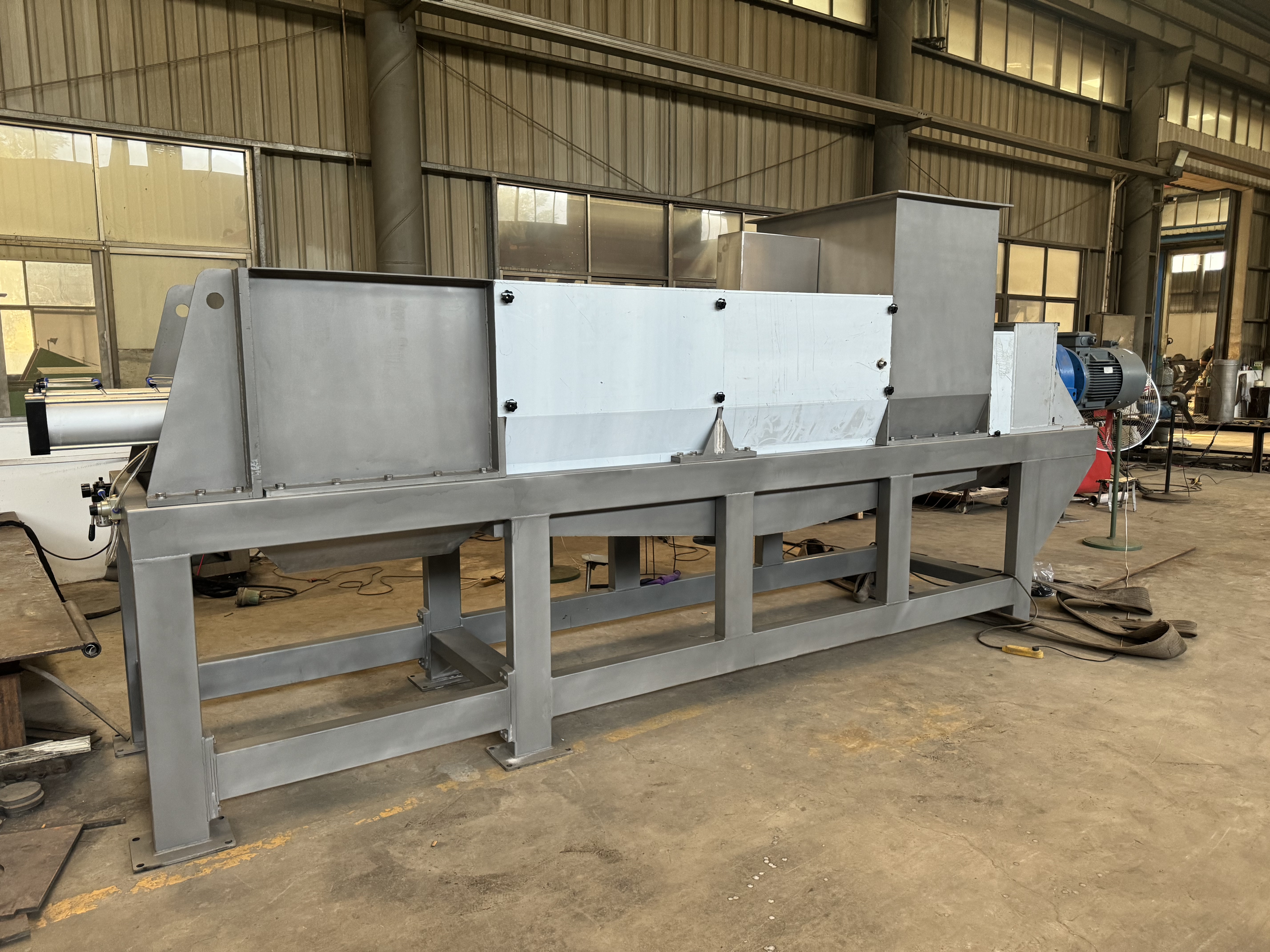
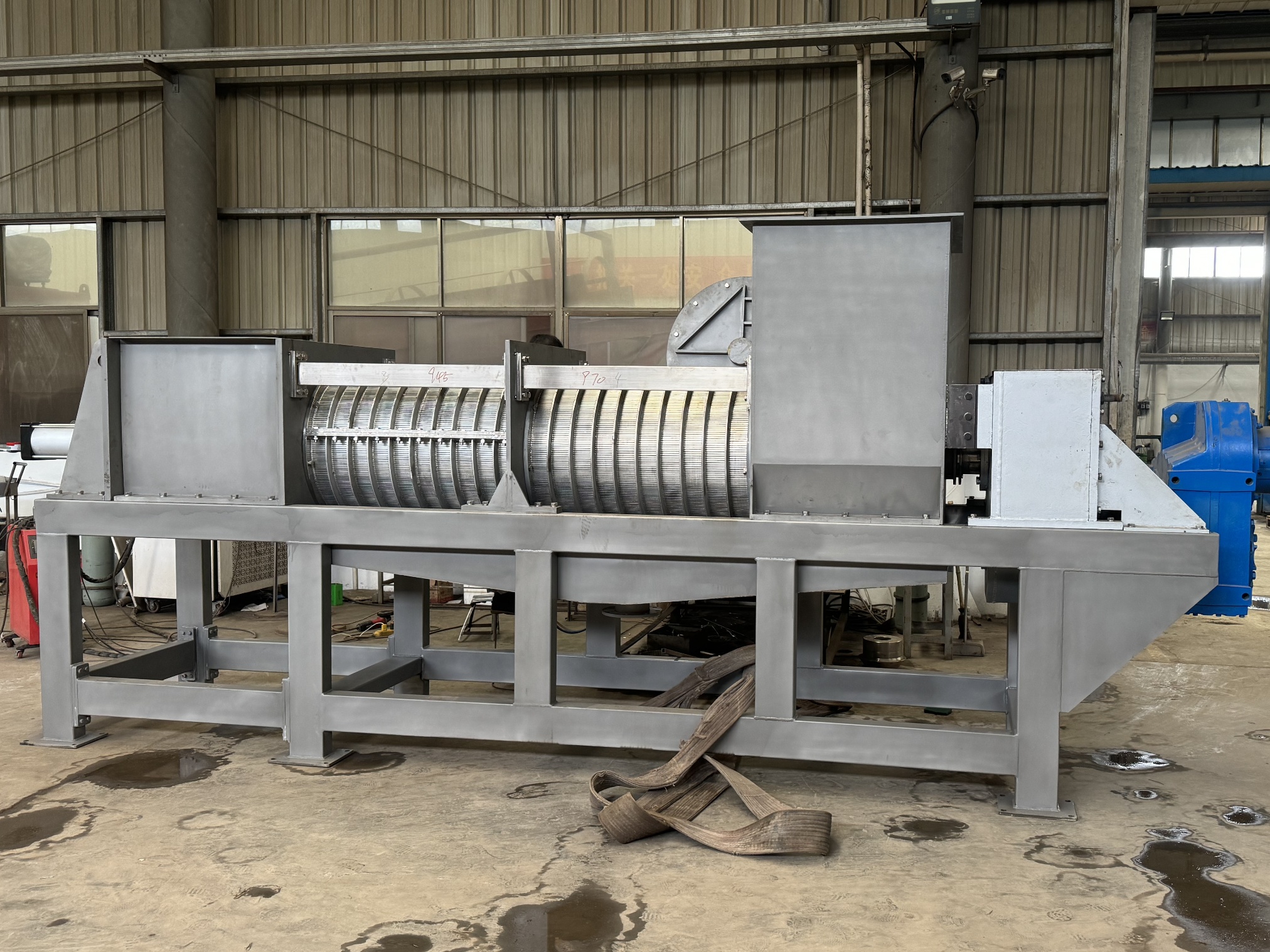 Outcome
By aligning the equipment choice with the strict end-use requirement (animal feed) and clearly explaining the mechanical limits of screen sizes, we helped the client avoid a costly mismatch and secure a reliable, food-safe solution.