Vibrating Screen Machine with Ultrasonic System for Metal Powder Screening
Introduction
Not long ago, we received an inquiry from a client based in India, who is a precision instrument manufacturer. His requirement appeared straightforward at first glance: a vibratory sieve for screening metal powders used in additive manufacturing and powder metallurgy. However, as the conversation unfolded, it became clear that this "simple" request involved a number of technical considerations. And as it turned out, the questions he raised may very well help answer some of the same concerns that many of our readers have.
This article walks through the client's requirements, our recommendations, the questions he asked, and how we addressed them – step by step.
Client Requirements
The client needed a vibrating screen for safely screening metal powders, including iron-based, cobalt-based, nickel-based, and tool steel powders. The specific parameters were as follows:
- Feed rate: 22–25 kg/min
- Particle size (D90): 22 µm
- Mesh aperture: 32–35 µm (single deck only)
- Powder density: 3.5–4.5 g/cm³
- Preferred material: SS304 stainless steel
Given the nature of these fine metal powders, we recommended our Model 1500 vibrating Screen, paired with an ultrasonic cleaning system to enhance screening efficiency and prevent mesh blinding.
Client's Questions – and Our Responses
Here are the key questions raised by the client, along with the answers we provided.
1. What is the service life of the screen mesh?
Under normal operating conditions, the mesh typically needs to be replaced after approximately 3,000 hours of use. The actual lifespan may vary depending on the abrasiveness of the powder and the frequency of cleaning.
2. What is the service life of the ultrasonic system?
The ultrasonic generator and probe are designed to last over 2 years under proper operation. However, if a failure occurs, local repair in India is generally not feasible, and a replacement unit would be required.
3. Could you share the installation steps for both the screen mesh and the ultrasonic system?
Yes. We provided the client with detailed instructional videos covering the installation procedures for both components. These visual guides make the process easy to follow, even for first-time users.
4. What type of mesh should be used – stainless steel or nylon?
Based on the material properties and safety requirements, we recommended SS304 mesh, which offers excellent durability, heat resistance, and compatibility with metal powders.
5. How is the mesh installed on top of the ultrasonic probe?
This was also addressed through a step-by-step installation video, clearly showing the assembly sequence and proper positioning of the mesh relative to the ultrasonic probe.
6. If the motor fails, do you provide after-sales service in India?
The motor can be serviced locally in India – any local motor repair workshop should be able to handle it. That said, motor failure is extremely rare under normal use, unless it is damaged by incorrect wiring.
7. If the ultrasonic generator or probe fails, do you offer local repair services in India?
Unfortunately, local repair for ultrasonic components is generally not available in India. In such cases, the most practical solution is to purchase a replacement unit. However, with correct operation and proper care, the ultrasonic system is highly reliable and seldom fails.
8. Since this is a vibrating machine, could welding joints develop cracks over time? How do you prevent this, and what after-sales support do you offer for such issues?
The design of our vibrating screen includes robust spring supports that effectively absorb vibration energy, minimizing stress on the structural welds. With proper assembly and operation, cracking is not a concern under normal working conditions. We have not encountered such issues in our installed base.
9. Can we replace SS304 mesh with nylon fabric instead?
Nylon mesh typically has a much shorter lifespan – around 3 to 5 months – compared to stainless steel. It is generally recommended only in cases where chemical corrosion is a concern. We asked the client to share the specific reason for considering nylon, so we could better evaluate the feasibility.
Why Nylon Was Considered – and Why the Client Ultimately Chose Stainless Steel
The client later explained that his facility processes multiple powder grades and frequently changes the screen mesh to avoid cross-contamination. From a cost perspective, he was exploring the possibility of using nylon mesh as a more economical alternative.
However, we noted a critical limitation: ultrasonic cleaning does not work effectively on nylon mesh, because nylon does not transmit ultrasonic vibrations as efficiently as stainless steel. This would defeat the purpose of the ultrasonic system and significantly reduce screening efficiency.
After weighing the trade-offs, the client decided to proceed with stainless steel mesh, prioritizing performance and reliability over short-term cost savings.
Conclusion
After several rounds of detailed communication, the client confirmed his order. While the requirement appeared simple at the outset, the depth of the questions raised showed a thoughtful and thorough approach to equipment selection. We were glad to support him every step of the way.
Below are some photos and a video from the final production and inspection stage:
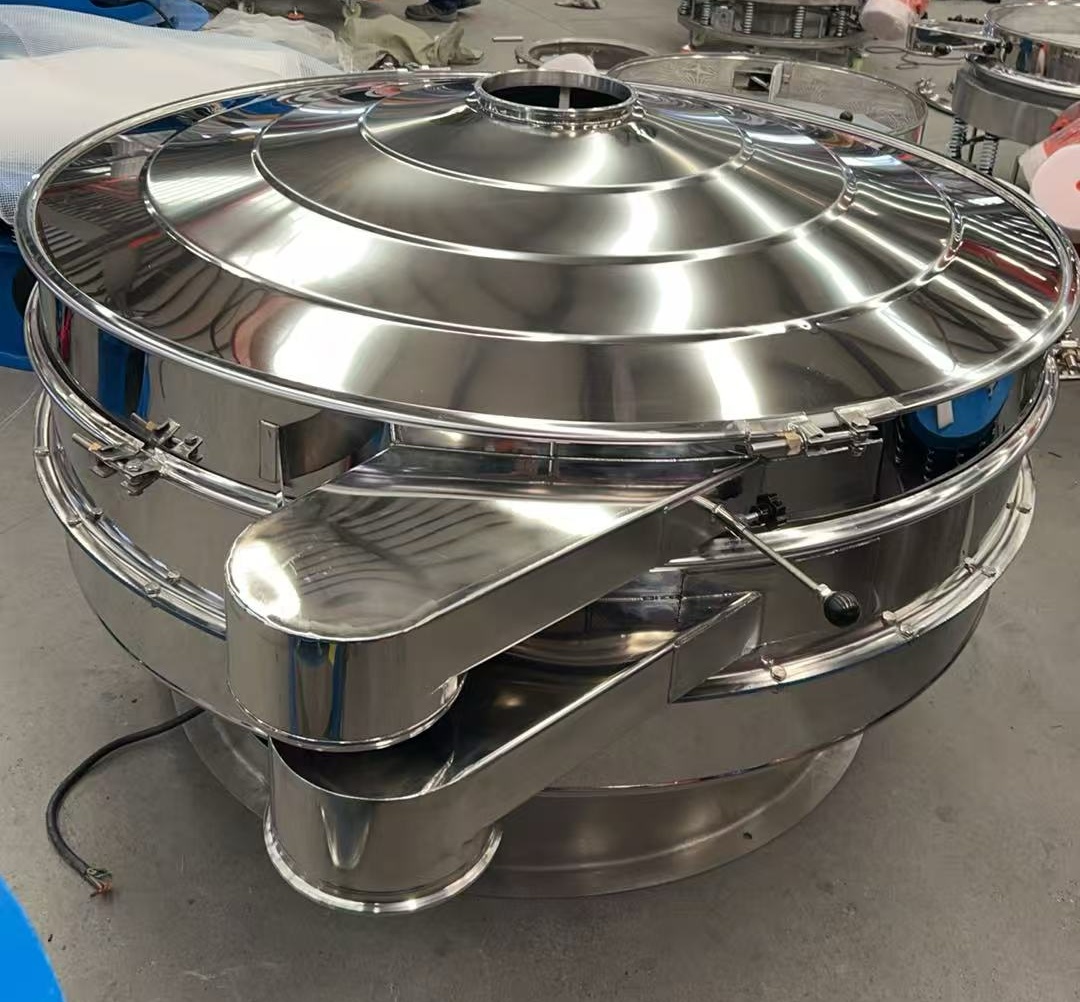 Photo 1: Vibrating Screen Machine
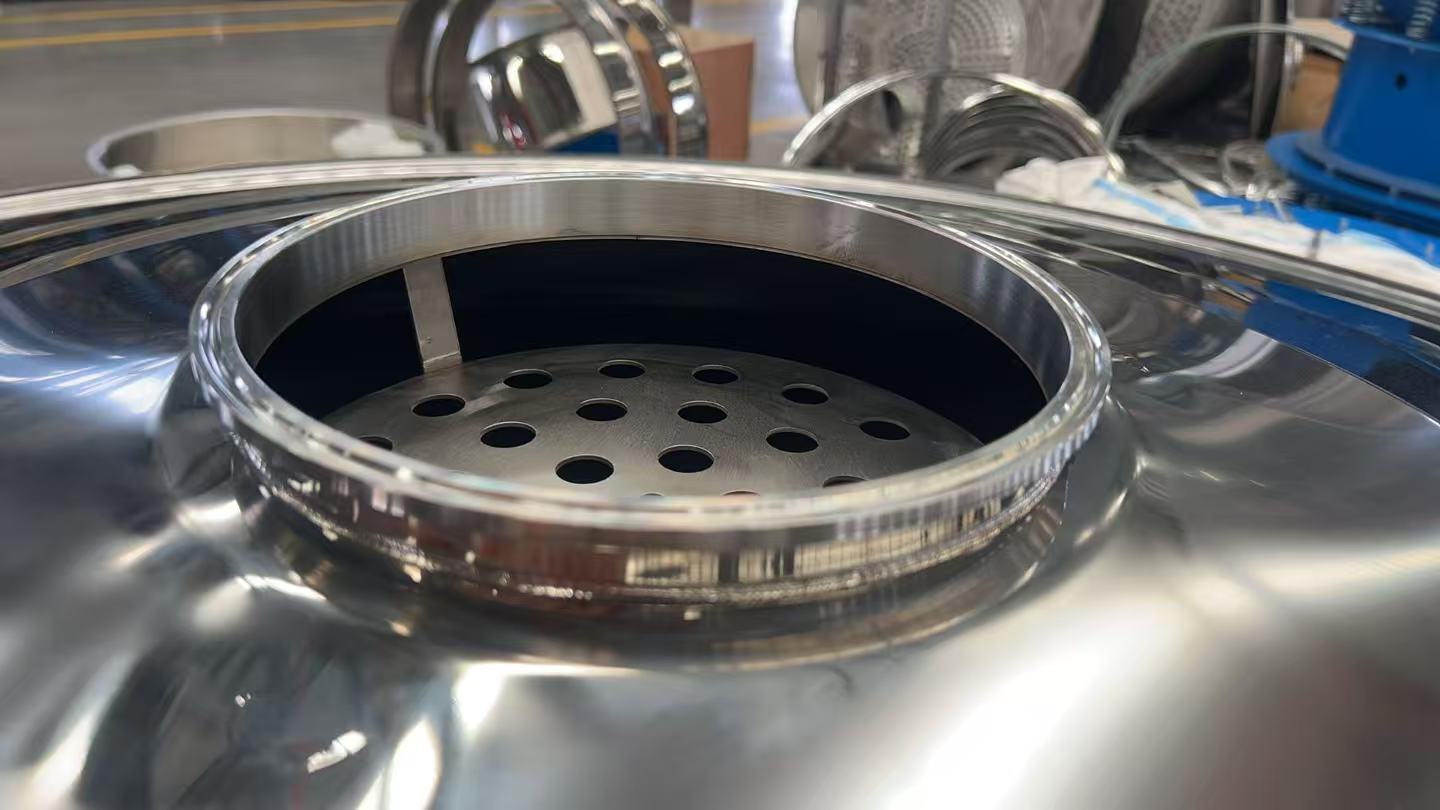 Photo 2: Close-up
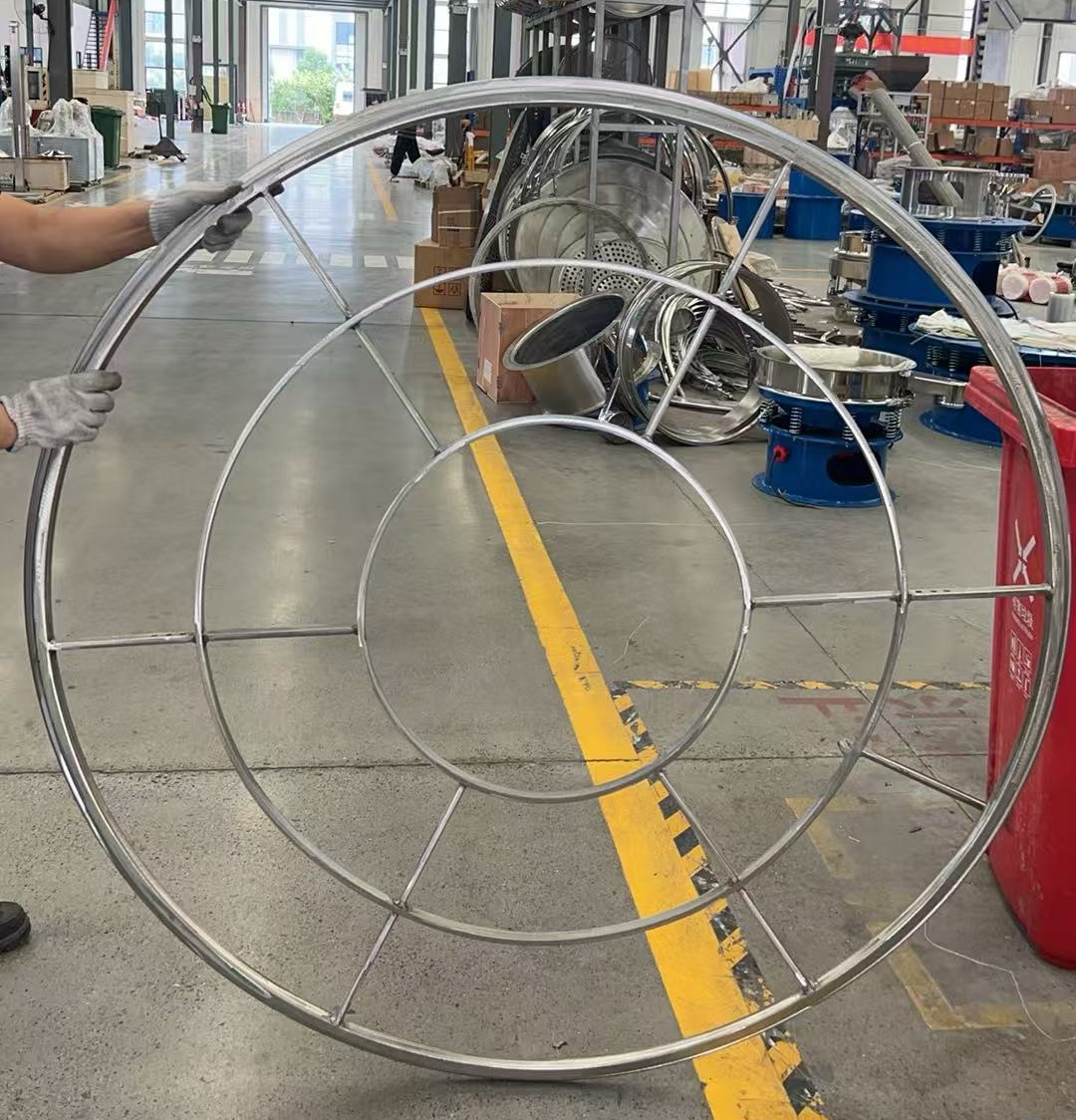 Photo 3: Mesh Frame
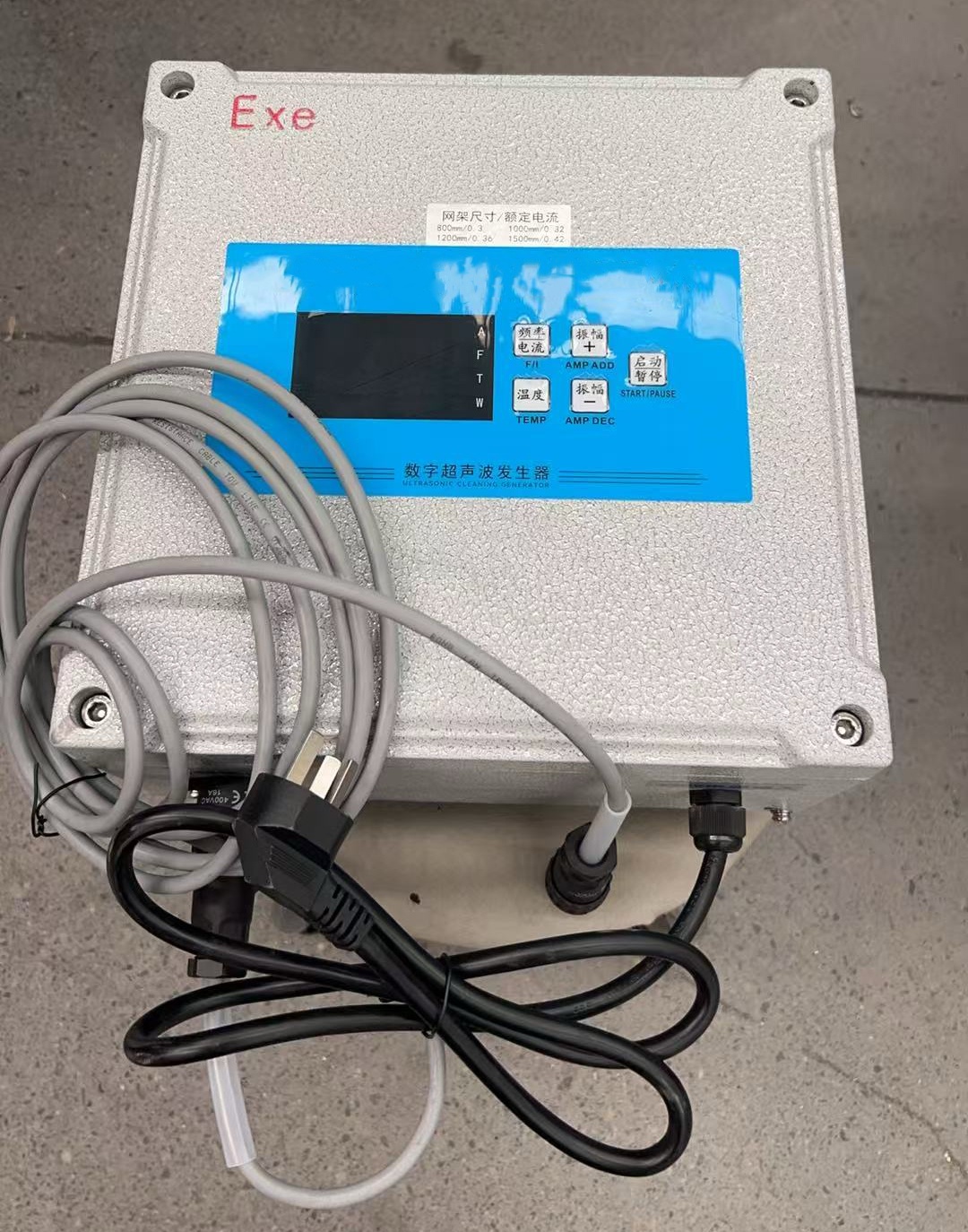 Photo 4: Ultrasonic Equipment
We hope this case study provides useful insights for anyone considering vibrating screening equipment for fine metal powders. If you have similar requirements or questions, please don't hesitate to reach out.