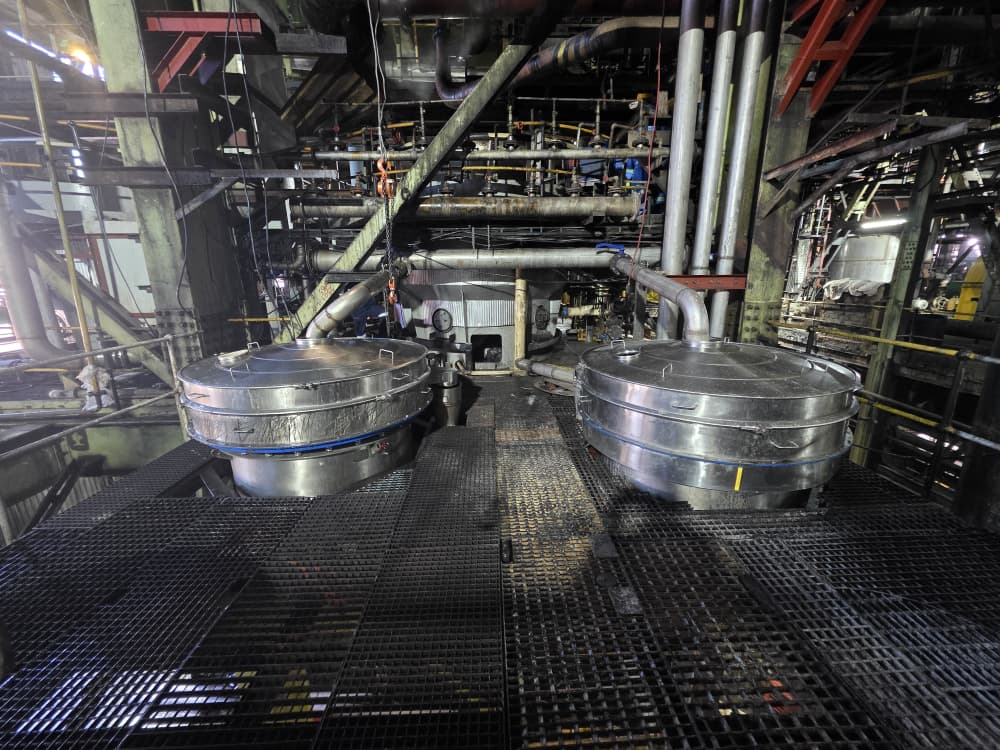
Two Vibrating Screens for a Zimbabwe Sugar Mill
Our client, a sugar mill in Zimbabwe, came to us with a clear need: one vibrating screen for their sugar syrup. The syrup runs at 65°Brix and 80‑85°C, with a target throughput of 100 tonnes per hour and a mesh size of 100. Sounds straightforward, right? But as we soon learned, sugar syrup is no ordinary liquid.
Engineering Concerns
Our team has supplied solid‑liquid separation equipment to sugar mills for years. Usually, we recommend bag filters or a combination of self‑cleaning filters plus bag filters. Why? Because sugar syrup is thick and viscous. It needs pressure to push through the filter media. A vibrating screen, on the other hand, works best for free‑flowing liquids. When you throw in high viscosity and high solids content, the screen tends to blind quickly, and efficiency drops dramatically. We shared our honest technical opinion with the client.
Client's Persistence
But the client had their own process design. They had done their homework and insisted on a vibrating screen. They didn’t share detailed drawings or calculations—just a firm decision. So, we switched gears. Instead of arguing, we decided to support their choice and do our best to meet their specification. After all, the client knows their plant best.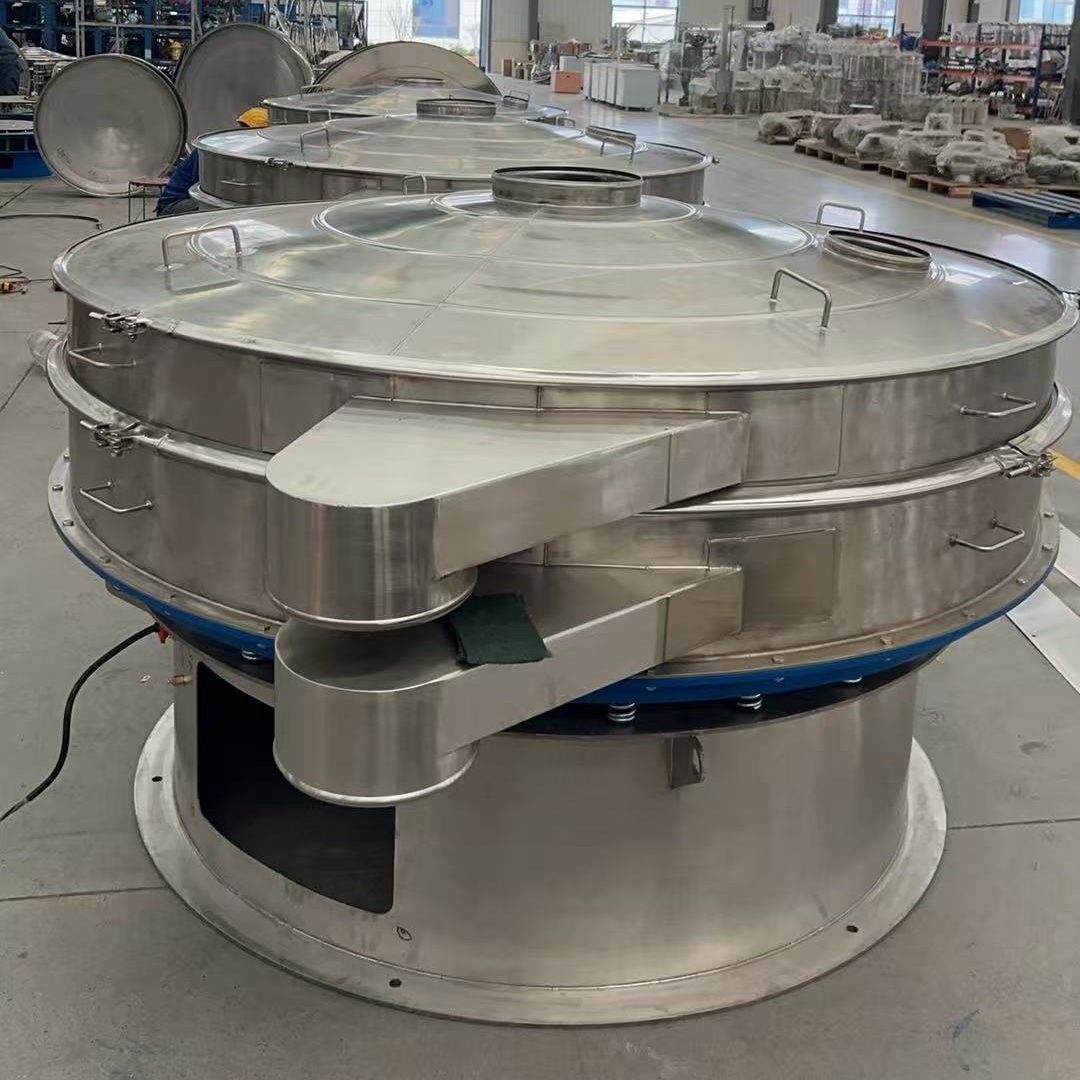
Budget Constraint
Given the huge flow rate, we conservatively recommended a linear vibrating screen—the type known for handling large volumes. It was the safe, robust option. However, the client came back with a budget concern: the linear model was too expensive. They asked for a more cost‑effective solution.
Final Decision
After several rounds of discussion and revised requirements, we reached an agreement. The final order was for two units of Model 2000 vibrating screens. The client approved the design and we moved forward.
In addition, the client ordered 10 spare screen meshes as a backup. They wanted to make sure that if any screen got worn out or clogged during production, they could swap it in immediately without shutting down the whole line. Having these spares on hand gives them peace of mind and keeps the sugar mill running smoothly with zero unplanned downtime.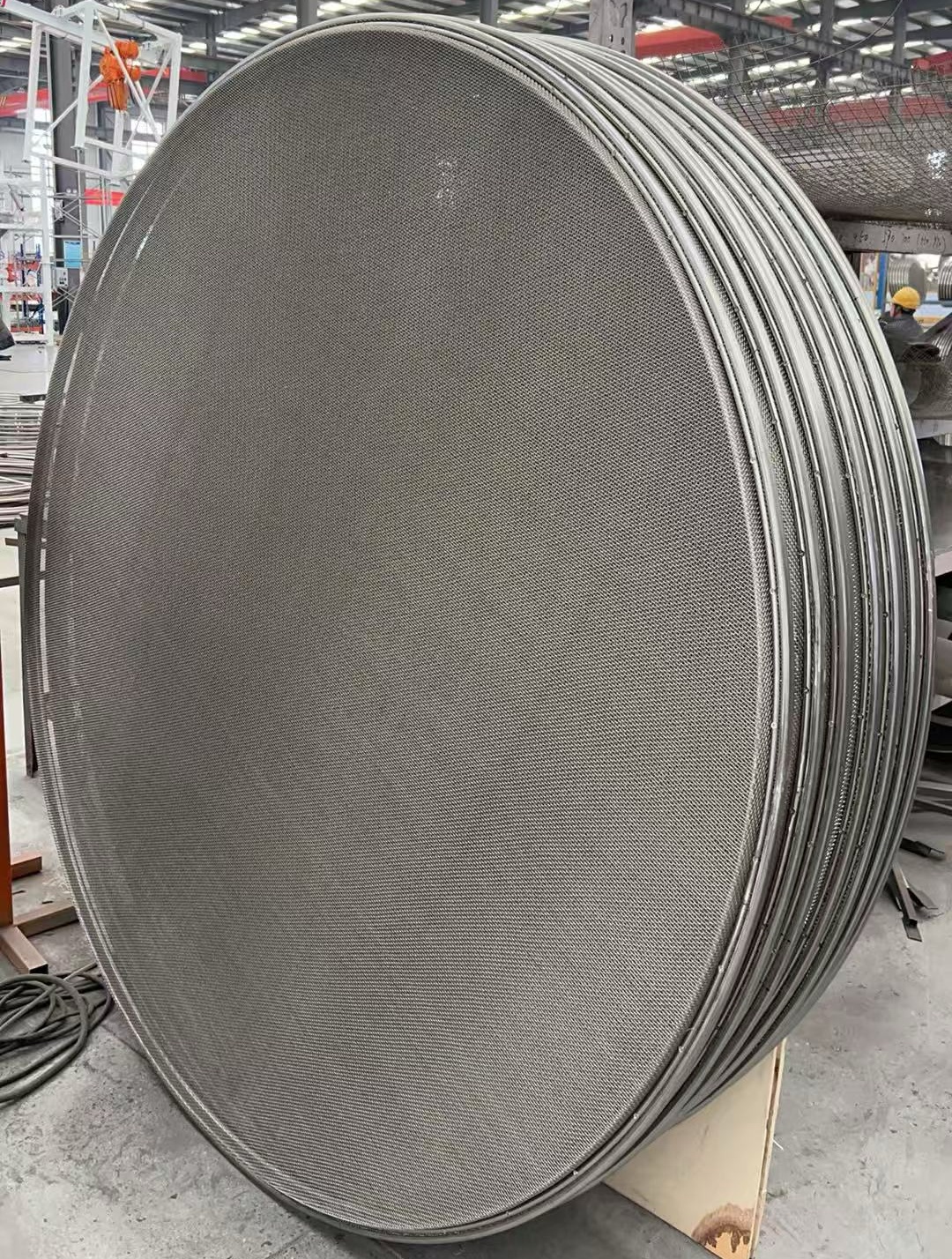
Delivery & Installation
Everything proceeded smoothly from production to shipping. We kept the client updated on the delivery schedule, and the screens arrived at their Zimbabwe plant without issues. Our logistics team coordinated with their local freight forwarder, and the equipment was cleared through customs without a hitch.
After‑Sales – A Separate Chapter
After delivery, our after‑sales team stayed in close contact. We followed up on installation and commissioning. The client was very kind—they sent us on‑site photos of the screens being installed. They also shared positive feedback: the screens are running well, and the syrup is being filtered at the required mesh size. Even though we had initial doubts, the client’s choice is working out for their specific process. We’re happy to see that they are satisfied, and we continue to offer remote technical support whenever needed.