Integrated Crushing & Press Machine for Food Waste Recycling in the USA
Our US client is in the food waste recycling business, processing ground fruit and vegetable residue with a moisture content of around 75%. Their processing capacity is up to 25 lbs per hour, and—critically—their available space is only 4 ft × 4 ft.
Initial Request: Sludge Dewatering Press (JX-DL131)
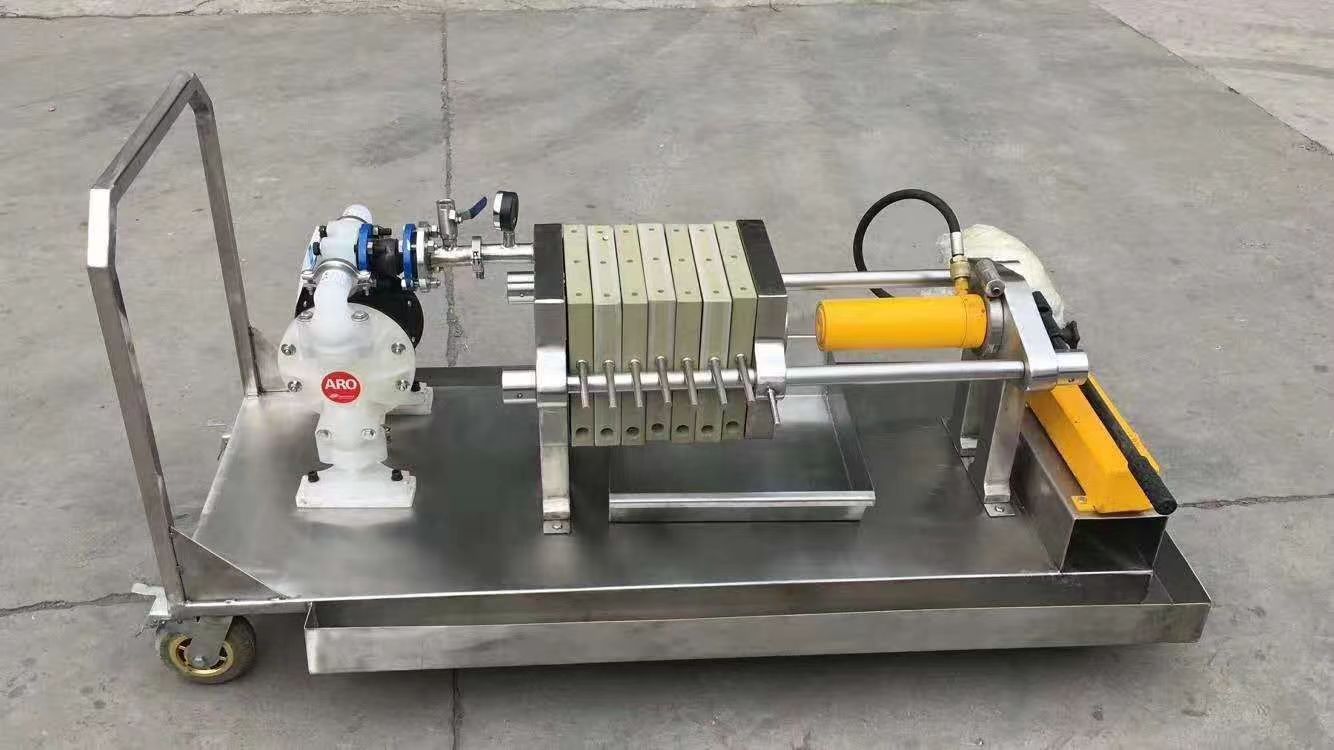
The client initially asked about our sludge dewatering press (JX-DL131). While the filter press offers excellent performance and can dewater material to around 30% moisture content, its size and operating characteristics made it unsuitable for this application, given the material and the limited space.
We recommended a compact unit measuring 1.1 m × 0.7 m × 0.6 m, which fits comfortably within their installation space. However, the client preferred a machine capable of continuous operation—precisely the shortcoming of a filter press. We therefore needed to look at an alternative.
Alternative Solution: Screw Press JX-ZDLZ-0.5SMALL
This time we proposed the screw press JX-ZDLZ-0.5SMALL. Because a screw press relies on material compression to achieve dewatering, the client would need to accumulate roughly 50 kg of material before starting the machine for each run. The client was satisfied with this solution.
Further Requirement: Integrated Crushing & Press Machine (JX-ZDPLZ-0.5S)
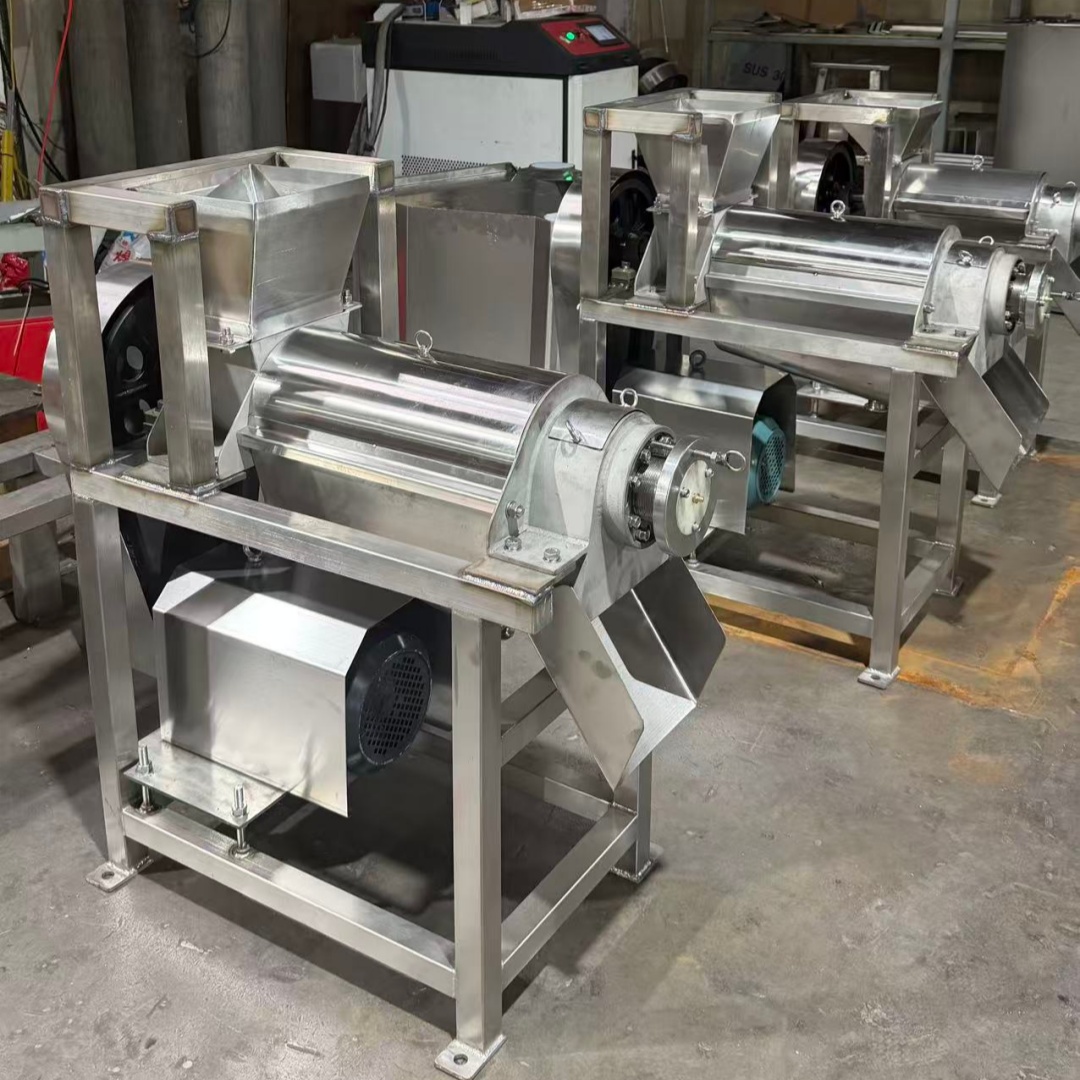
The client then raised an additional requirement: could a dual-shaft shredder be mounted on top, so that food waste is shredded as it is fed in and then falls directly into the screw? As it happens, we offer an integrated crushing and pressing machine—which adds a shredding unit to the base model and perfectly meets the client's needs.
What We Delivered
See below for photos of the integrated crushing and pressing machine we delivered, as well as the small filter press we initially recommended.
Key Takeaway
Installation space is an important factor in equipment selection. When making an inquiry, please be sure to clearly describe all the conditions and constraints involved, so that equipment can be properly matched to your site and avoid limitations once the machine arrives.