From Request to Delivery: A Project Story for a German Polytechnic Institute
1. Initial Inquiry – A German Polytechnic Institute's Requirement
We received an inquiry from a polytechnic institute in Germany. The project involved sieving (fine) recycled concrete aggregate for research purposes, and the institute was already in the procurement phase. They required a laboratory-scale sieving system with the following specifications:
- Material to be processed: Fine recycled concrete aggregate (RCA)
- Material of construction: Stainless steel 316 (preferred due to moisture concerns, as the aggregates could not be guaranteed to be consistently dry)
- Sieve diameter: 800 mm
- Number of decks and outlets: 4 decks with 5 outlets
- Precise mesh sizes required: 4 mm, 2 mm, 0.5 mm, 0.125 mm, and 0.063 mm (one spare screen of a critical size was also requested for replacement)
- Quantity: 1 unit
The client also specified that the unit would be used as an experimental device, and they required the flexibility to run the machine with only two decks installed at a time, depending on the test requirements.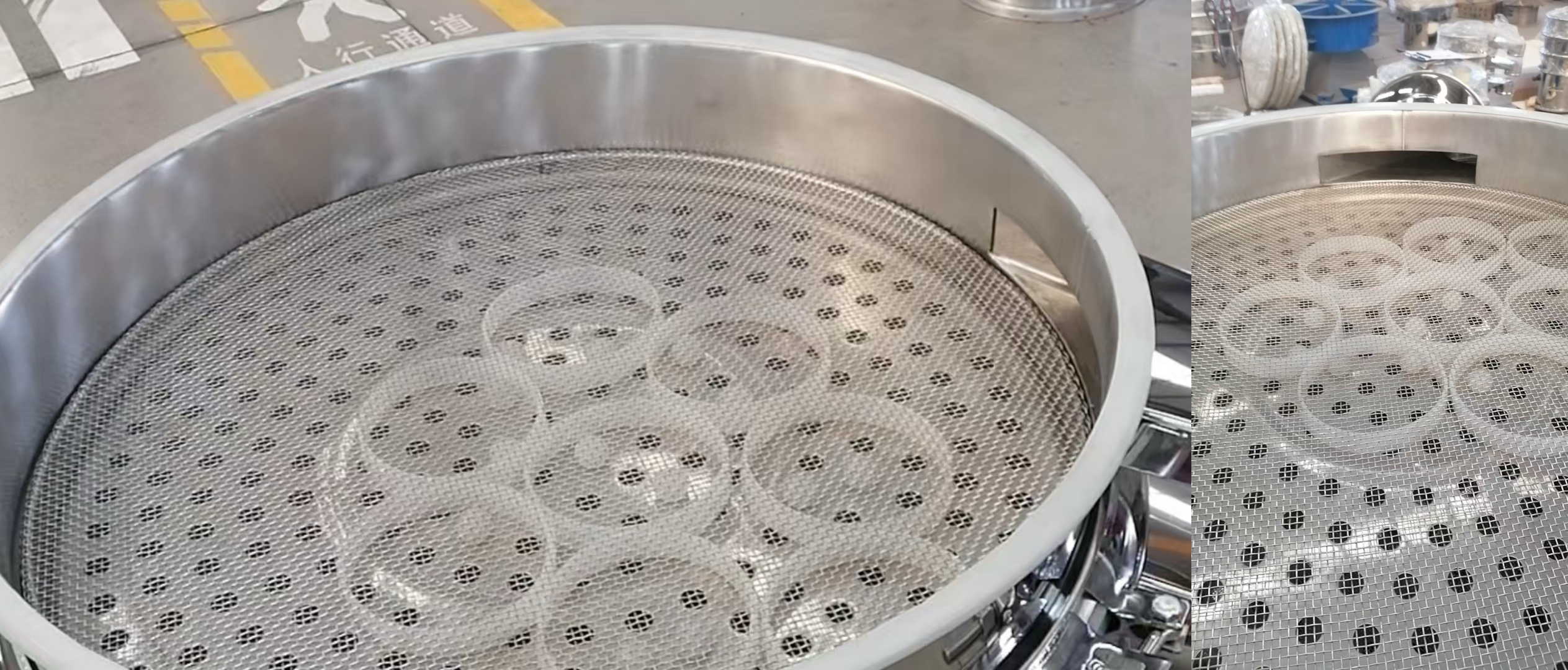
2. Our Response – Flexible Configuration Options
Upon reviewing the inquiry, we provided the client with a quick quotation and confirmed that our system could easily accommodate their request. We explained that the sieve decks are interchangeable, so they could freely combine any two decks for a given test run.
We also offered a more economical alternative – a 2-deck, 3-outlet configuration – and shared technical drawings for reference. However, after careful consideration, the client decided to proceed with their original choice: the 4-deck, 5-outlet system, to ensure maximum flexibility for their diverse research needs.
3. Post-Order Questions – Feed Capacity and Throughput
Shortly after placing the order, the client raised an important technical question:
"What is the maximum batch capacity (in kilograms) that the machine can hold at one time, and what is the maximum throughput rate? We need this information to design the feeding and discharge system."
We clarified that the sieving machine is designed for continuous feeding – not batch loading. In other words, the material must be fed evenly and gradually during operation. Loading the entire batch onto the screen deck while the machine is static would render the sieving process ineffective. As a general guideline, the material layer on the screen surface should be only about 10 mm thick during continuous operation.
For their specific mesh sizes and material characteristics, we estimated a throughput of approximately 300–500 kg per hour. We also provided the operation manual to give them further clarity on proper usage and feeding techniques.
4. Installation Guidance – Mounting the Equipment on a Raised Platform
The client then informed us that they planned to install the sieving unit on an elevated platform, and asked about any special precautions during installation.
Our response was straightforward:
- Once the equipment arrives on site, align the mounting holes at the base of the machine with the corresponding positions on the platform.
- If the platform is made of steel, drill holes and secure the unit with bolts.
- If the platform is concrete, use expansion bolts to fix the equipment firmly in place.
We emphasized that proper leveling and secure anchoring are essential for stable operation, but beyond that, no complex installation procedures were required.
5. Production, Shipment, and Delivery
Throughout the manufacturing process, we kept the client informed with regular production updates and shared shipping progress in a timely manner. The unit was carefully packed and dispatched according to schedule.
The equipment arrived at the German institute in good condition.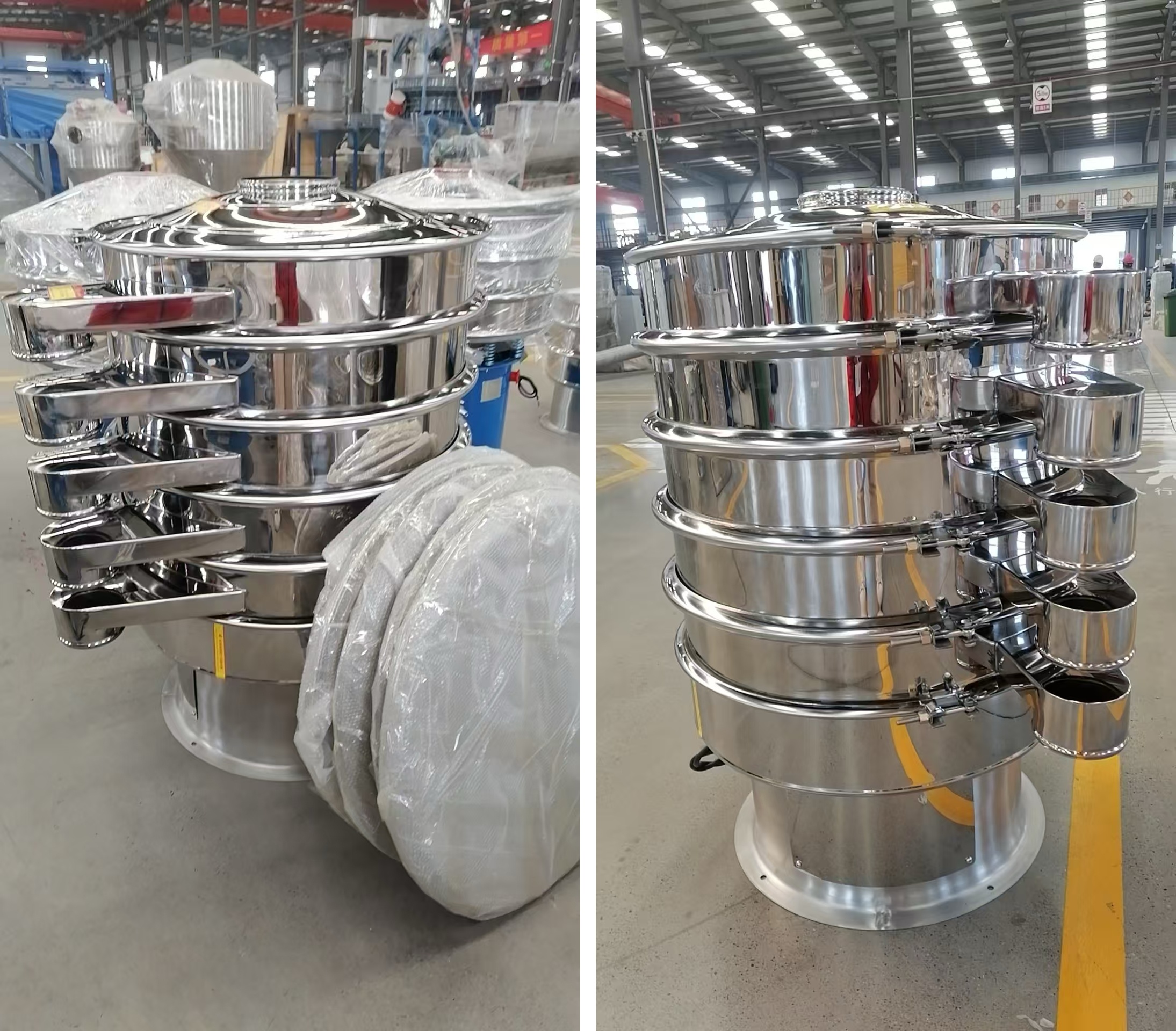
6. Client Feedback – A Successful Partnership
After receiving the equipment, the client expressed their appreciation for our professional support and responsive communication throughout the entire process. They were satisfied with both the product quality and the service we provided.
This project not only resulted in a successful delivery but also established a strong foundation for future collaboration.
At JX Filtration, we are committed to providing reliable solutions tailored to our clients' specific needs – from initial inquiry through to installation and after-sales support.