Customized Channel Rotary Drum Screen for Wastewater Treatment in Jakarta
Project Overview
Our client, a wastewater treatment company based in Indonesia, is developing a project located in Jakarta. The application requires a Channel Rotary Drum Screen with the following initial specifications:
| Parameter | Requirement |
| --------- | ----------- |
| Capacity | 40 m³/hour |
| Mesh Size | 0.5 mm |
| Channel Depth | 116 cm |
| Channel Width | 50 cm |
Based on these requirements, we provided a quotation for our model JX-GF-Z400.
Technical Adjustments and Client Feedback
During the course of discussion, the client changed the mesh size requirement from 0.5 mm to 6 mm. We evaluated the new specification and proposed an alternative solution: using perforated plates instead of mesh. This approach offers a trapping efficiency of over 98%, delivering better performance for the client's actual needs.
Consultant Specification Requirement
The client then informed us that their consultant had specified a reference standard using a Germany equipment for the Channel Rotary Drum Screen. They asked us to revise our technical data to align with the consultant's specification sheet, highlighting the relevant sections in yellow for our reference.
Our Response and Design Confirmation
We confirmed our ability to manufacture according to the client's drawings. However, we identified a discrepancy:
The Discharge Height in the Excel specification was listed as 1500 mm, while the client's drawing showed 978 mm.
We temporarily used 978 mm to update our drawing and informed the client that if 1500 mm was actually required, the overall equipment length would need to be increased accordingly. The client then confirmed they preferred the design with a discharge height of 978 mm.
Angle Recommendation – A Key Technical Suggestion
Based on our many years of experience, we recommended an optimal installation angle of 35 degrees for the channel drum screen. At this angle, the discharge of solids is highly effective.
We also advised the client that at the 45-degree angle they initially referenced, finer debris and sand particles tend to accumulate at the bottom of the drum. This can lead to:
- Reduced filtration efficiency
- Potential blockages
- The need for frequent manual cleaning
We made it clear that we could manufacture the unit to either angle, but we wanted to be transparent about the operational impact of choosing 45 degrees. After careful consideration, the client decided to accept our recommendation and proceed with the 35-degree angle design.
Civil Structure Addition – Further Refinements
After reviewing the updated drawing, the client requested us to add a civil structure – specifically a sloop (support beam) with a height equal to the screen diameter – to prevent sedimentation and debris accumulation at the channel bottom.
We then raised a professional concern: adding this structure would reduce the inflow rate. In practice, a small amount of sedimentation at the channel bottom is normal, and solids would naturally be carried into the filtration system by the water flow. Therefore, we initially suggested not using this additional plate.
Client's Final Instruction
The client responded with the following clarification:
"Please update the drawing regarding the civil structure. I agree that the higher the weir plate, the better the reduction in inflow rate. Could you add approximately 150 mm to the drawing? In our previous system installation, we did not have a weir plate, which resulted in significant debris sedimentation and poor filtration performance. We had to install a barrier afterward."
They also confirmed that the civil contractor would build this structure on-site, and the drawing would serve as the installation reference for both GARD and the contractor.
Final Outcome
After multiple rounds of communication, technical adjustments, and design refinements, the final drawings were successfully confirmed by the client. Our collaboration demonstrated not only our manufacturing capability but also our commitment to providing value-added technical advice based on real-world operational experience.
**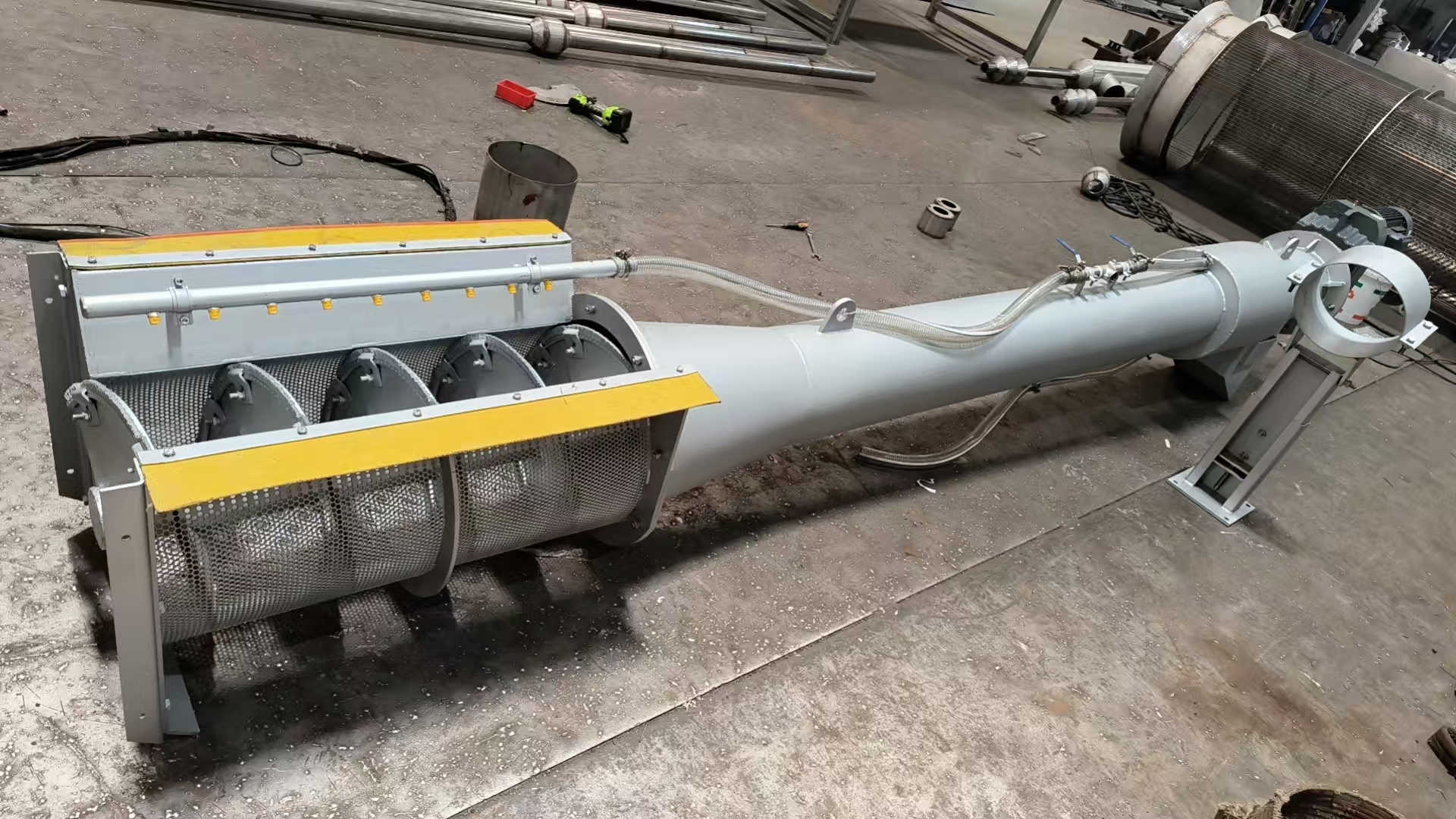 **Figure 1
**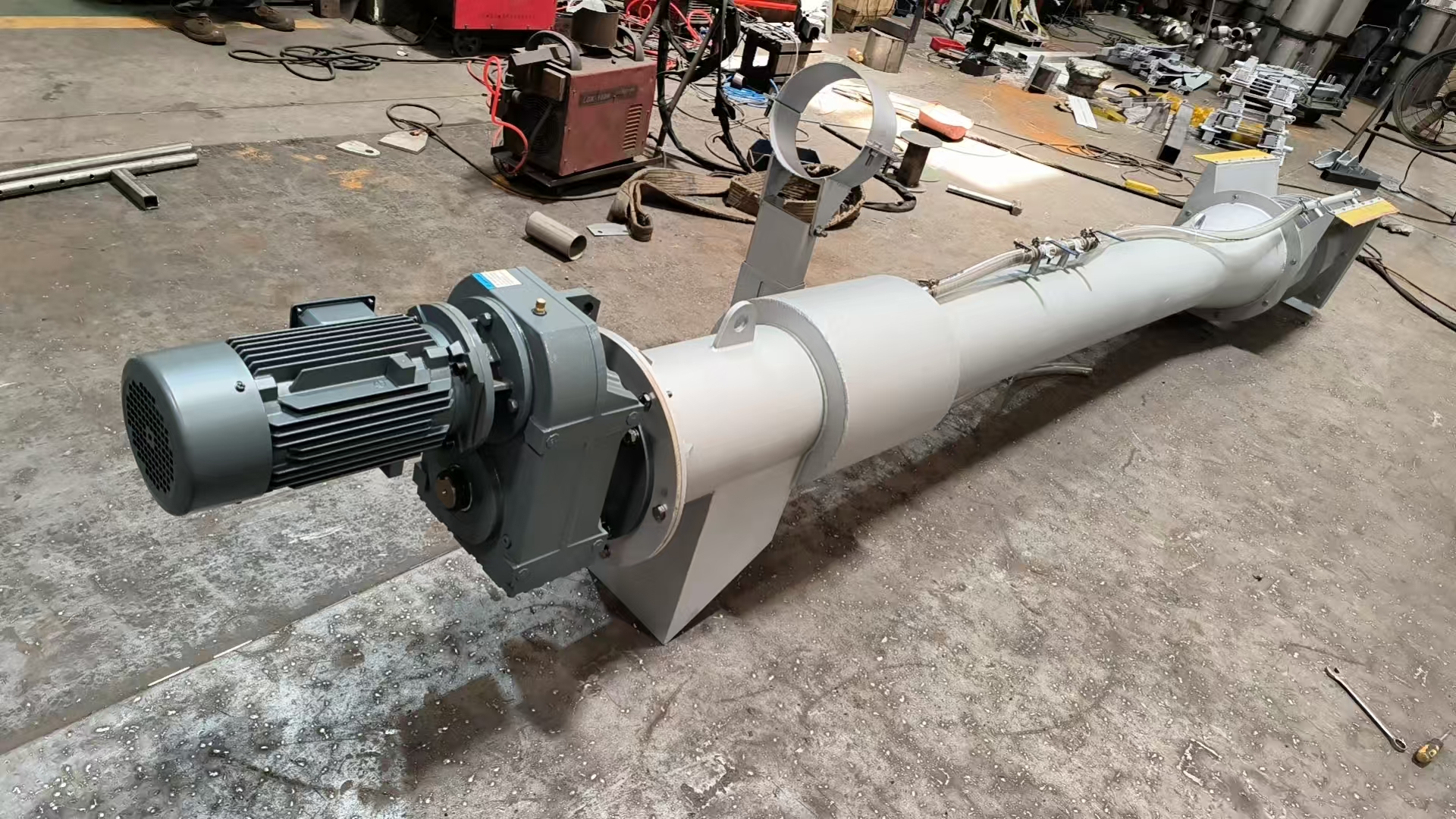 **Figure 2
By listening to the client's needs, offering professional recommendations, and respecting their on-site experience, we were able to deliver a customized solution that balances performance, practicality, and ease of installation.