Successful Trial: Self-Cleaning Scraper Filter for Callaghan Innovation, New Zealand
Project Background
Callaghan Innovation, a leading research and development organization in New Zealand, approached us with a challenging filtration requirement. Their pilot plant operates with a diverse range of suspensions, but one particular material proved difficult to process using their existing equipment selection.
The client's manual process involved removing solids through a 50-micron screen combined with scraping — a labor-intensive method that was far from ideal for their active project timeline.
The Challenge
The suspension they were handling presented unique characteristics:
- Initial solid content: 1–2%
- Target concentration: 10–15% solids
- Target filtration rating: 30-micron (preferred over 50-micron)
- Ideal flow rate: 1,000 L/hr
- Viscosity range: Low to medium (increasing as concentration rises)
The client noted that while they could not predict the exact flux rate through our system without testing, they were confident that our internal scraper design — which operates similarly to their manual scraping method — would be a suitable match.
A critical factor was that this material does not form a cake, meaning traditional cake filtration equipment (which the client already owned) was ineffective. They needed a solution that could continuously concentrate the suspension without clogging or requiring frequent manual intervention.
Our Approach
Upon receiving the initial inquiry, our team conducted a thorough needs analysis. We asked clarifying questions regarding solid content to ensure proper equipment matching. Based on the client's feedback — that they aimed to concentrate from 1–2% up to 10–15% solids — we initially considered alternative technologies, as self-cleaning filters are typically most effective with solid contents not exceeding 5%.
However, the client clarified that they already had cake filtration equipment and that their material would not form a cake. They specifically referenced our Model 273 Self-Cleaning Filter as being very similar to their successful manual operation. This insight redirected our recommendation.
Equipment Selection & Justification
After reviewing the client's requirements and processing volume, we proposed the Model 219 Self-cleaning Filter with Scraper — our smallest self-cleaning scraper filter — for the following reasons:
| Parameter | Model 219 | Client Requirement |
| --------- | --------- | ------------------ |
| Filtration rating | 30-micron (available) | 30-micron ideal |
| Material | SS316 | SS316 required |
| Connection type | Threads / Tri-clamp optional | Threads or Tri-clamp preferred |
| Flow rate capacity | Suitable for 1,000 L/hr | 1,000 L/hr ideal |
| Scraper design | Internal scraper | Matching manual operation |
We shared:
- Detailed technical drawings
- Equipment specifications
- Dimensional information (surface area and dimensions)
The client responded positively to the documentation.
Outcome
Following our proposal, the client provided their shipping address in New Zealand, and we promptly updated the freight quotation. The order was confirmed.
This project is currently active, and importantly, the client has indicated that if the trial with a single unit proves successful, multiple additional units will likely be required for their ongoing operations.
Equipment Photo
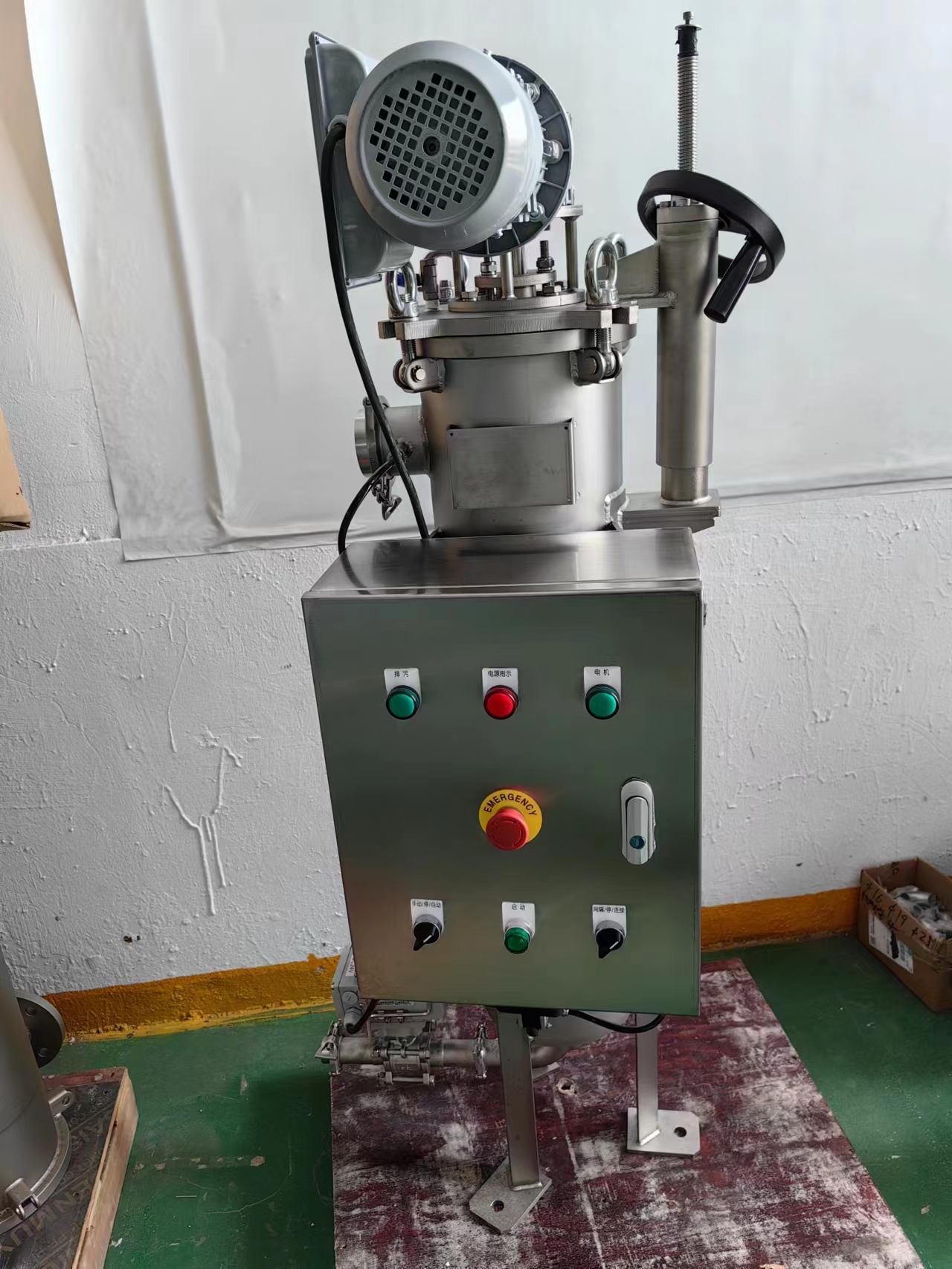 Figure 1: Model 219 Self-Cleaning Scraper Filter
Conclusion
This case demonstrates our ability to listen carefully to client needs, ask the right questions, and recommend the most suitable equipment — even when initial assumptions required adjustment. The client's trust in our technology, combined with our transparent communication and technical documentation, secured the order and opened the door for a long-term partnership with Callaghan Innovation.